
mirror sheet for cupboard
Butterfly valves are essential components in modern fluid control systems, offering a balance of efficiency, durability, and cost-effectiveness. As industrial technologies evolve, the demand for advanced butterfly valve solutions continues to grow. This article provides an in-depth analysis of butterfly valves, their technical specifications, applications, and the role of Storaen (Cangzhou) International Trading Co. in supplying high-quality products. Understanding Butterfly Valves Butterfly valves, often referred to as throttle valves, are critical in water supply, drainage, and industrial piping systems. Their design allows for rapid shut-off and flow regulation, making them ideal for applications requiring frequent adjustments. The structural evolution of butterfly valves has led to enhanced performance, with modern designs addressing challenges related to pressure, temperature, and material compatibility. Read More About butterfly valves for sale Key Features and Advantages Compact Design: Butterfly valves are lightweight and space-efficient, making them suitable for installations with limited room. Cost-Effective: Their simple construction reduces manufacturing and maintenance costs compared to other valve types. Quick Operation: A 90-degree rotation of the disc allows for rapid opening and closing, enhancing system efficiency. Low Pressure Drop: The streamlined disc minimizes resistance, ensuring smooth fluid flow. Wide Material Compatibility: Available in materials like stainless steel, cast iron, and PVC, they adapt to diverse environments. Technical Specifications Parameter Details Material Options Stainless Steel, Cast Iron, PVC, Rubber Pressure Rating Up to 150 psi (varies by model) Temperature Range -20°C to 120°C (depending on material) Connection Types Wafer, Flanged, Threaded Disc Diameter 2 inches to 48 inches Actuation Options Manual, Electric, Pneumatic, Hydraulic Applications Across Industries Butterfly valves are versatile, serving critical roles in various sectors: Water and Wastewater Management: Regulate flow in municipal water supply and sewage systems. HVAC Systems: Control air and water flow in heating, ventilation, and air conditioning units. Chemical Processing: Handle corrosive fluids with materials like stainless steel or PTFE-lined discs. Power Generation: Manage cooling water and steam in turbines and boilers. Food and Beverage: Ensure hygiene and compliance with FDA standards using food-grade materials. Choosing the Right Butterfly Valve Selecting the optimal butterfly valve requires careful consideration of several factors: Working Conditions: Assess pressure, temperature, and fluid type to determine material and design requirements. Valve Types: Explore butterfly valve types such as centerline, double offset, and triple offset to match application needs. Connection Methods: Choose between wafer, flanged, or threaded connections based on system compatibility. Actuation Mechanism: Opt for manual, electric, or automated options depending on operational demands. Storaen (Cangzhou) International Trading Co.: A Trusted Supplier Storaen (Cangzhou) International Trading Co. is a leading provider of industrial valves, specializing in butterfly valve wholesale solutions. With a commitment to quality and innovation, the company offers a comprehensive range of butterfly valves tailored to global market needs. Storaen's expertise in international trade ensures that customers receive products compliant with global standards. Their inventory includes valves designed for harsh environments, supported by rigorous testing and certification processes. The company's dedication to customer satisfaction is reflected in its reliable after-sales service and technical support. Industry Standards and Certifications Adherence to industry standards is crucial for ensuring the safety and performance of butterfly valves. National Institute of Standards and Technology (NIST) provides guidelines for material testing and performance evaluation, which manufacturers like Storaen incorporate into their production processes. While specific NIST data on butterfly valves was unavailable during this search, the institute's role in establishing benchmarks for industrial components remains pivotal. Future Trends in Butterfly Valve Technology Advancements in materials science and smart technologies are shaping the future of butterfly valves. Innovations such as butterfly valve types and applications with integrated sensors for real-time monitoring are gaining traction. Additionally, the use of corrosion-resistant alloys and eco-friendly manufacturing practices is becoming increasingly common. Conclusion Butterfly valves are indispensable in modern industrial systems, offering a combination of functionality, efficiency, and adaptability. By understanding their technical specifications, applications, and selection criteria, users can optimize their piping systems for performance and longevity. Storaen (Cangzhou) International Trading Co. continues to lead the way in supplying high-quality butterfly valves, ensuring customers meet their operational goals. References Source: National Institute of Standards and Technology (NIST). Retrieved from https://www.nist.gov/ (Note: Specific data on butterfly valves was not found, but NIST's role in industrial standards is acknowledged.)
about
mirror sheet for cupboard
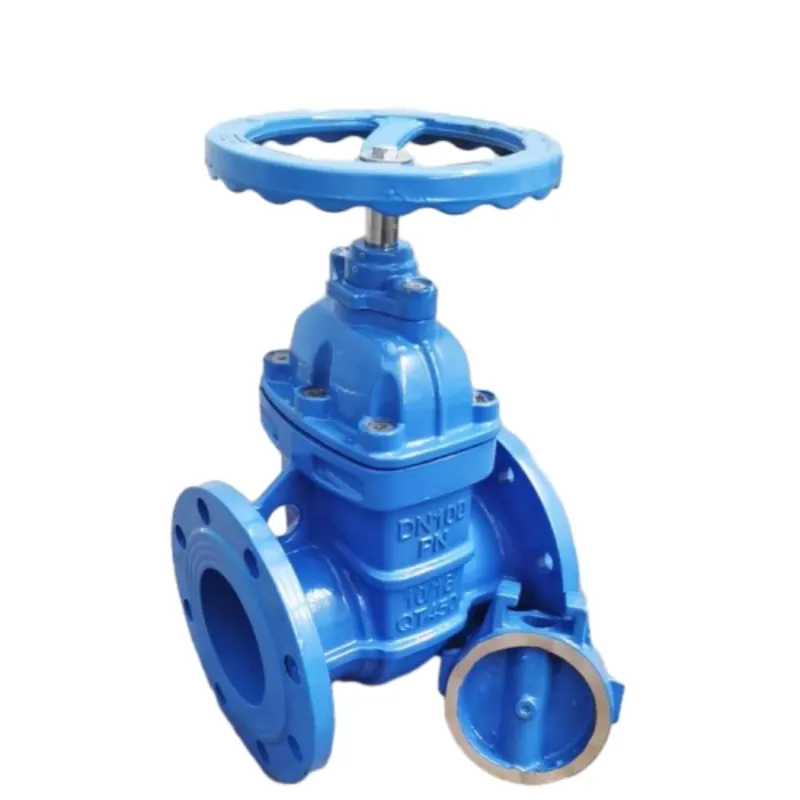
Understanding Main Water Shut-Off Valves An Essential Guide for Homeowners Water is an indispensable resource in our daily lives, powering everything from our morning showers to our evening meals. However, it is equally important to know how to manage this resource effectively, especially in the event of plumbing emergencies. One critical component in managing water flow throughout your home is the main water shut-off valve. In this article, we will explore the significance of the main water shut-off valve, how it functions, and why every homeowner should be familiar with it. What is a Main Water Shut-Off Valve? The main water shut-off valve is a crucial fixture in your plumbing system. It serves as the primary control point for the flow of water entering your home from the external supply line. This valve allows homeowners to quickly stop the incoming water supply in cases of a leak, a burst pipe, or when performing repairs or renovations. Typically located near where the water line enters your home—often in the basement, crawl space, or near the foundation wall—it can be either a ball valve with a lever handle or a gate valve with a circular handle. Knowing the location and type of your main shut-off valve can save you considerable stress and potential damage in an emergency. Importance of Knowing Your Main Shut-Off Valve 1. Emergency Preparedness One of the primary reasons homeowners should familiarize themselves with their main water shut-off valve is for emergency preparedness. Water damage can occur rapidly and lead to costly repairs. In the event of a plumbing malfunction, being able to quickly shut off the water can minimize damage and save money. 2. Maintenance and Repairs Whether you are installing new plumbing fixtures, replacing a water heater, or performing general maintenance, knowing how to shut off your water supply is vital. This prevents unnecessary flooding and allows work to be done safely. 3. Preventing Damage Water leaks can lead to structural damage, mold growth, and high water bills. By shutting off the main supply during vacations or long absences, you can prevent a potential leak from causing devastation while you are away. main water shut off valves How to Locate and Operate Your Main Water Shut-Off Valve To locate your main water shut-off valve, follow these steps 1. Check the Basement or Crawl Space Most homes have their shut-off valves located in these areas, often along the foundation wall or near the water heater. 2. Look for Accessibility It’s essential that your shut-off valve is easily accessible. Ensure that there are no obstructions around it, making it easier to reach in an emergency. 3. Turn the Valve For a gate valve, turn the valve handle clockwise to shut off the water. For a ball valve, turn the lever 90 degrees from the pipe to stop the flow. Practice this procedure so that everyone in your household knows how to do it. Regular Maintenance of the Valve Like any other home fixture, the main water shut-off valve requires regular maintenance. Periodically check to ensure it is functioning properly—turn it off and on a few times to keep it from becoming stuck due to corrosion or mineral deposits. If you notice any signs of leaks or if the valve feels difficult to operate, consider consulting a plumber. Conclusion In summary, the main water shut-off valve is an integral part of any home’s plumbing system. Being aware of its location, how to operate it, and maintaining it regularly can protect you from potential water damage and ensure that you are prepared for emergencies. As a responsible homeowner, take a moment to find and familiarize yourself with this vital valve—it can save you time, money, and hassles in the long run. Remember, when in doubt, don’t hesitate to contact a professional plumber for advice or assistance.
-

High quality industrial productsagement

High quality industrial products
View Details -

Meet the diverse needs of customers

Meet the diverse needs of customers
View Details -

Strict quality control

Strict quality control
View Details -

Top raw materials

Top raw materials
View Details -

Trusted supplier

Trusted supplier
View Details
Our application



news and information
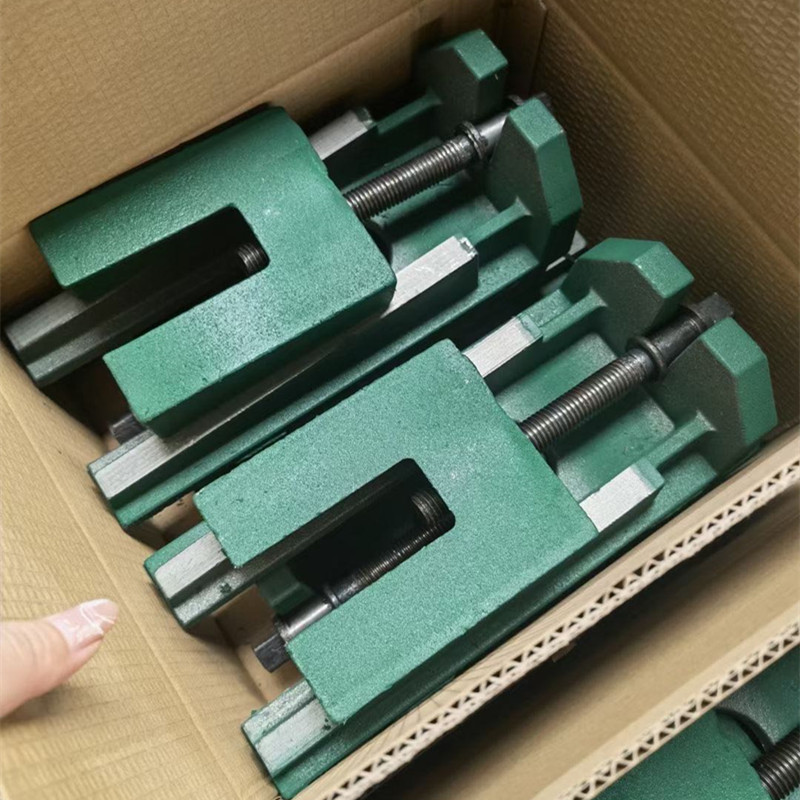
Water Flow Control Using Valve Mechanisms for Efficient Management
The Importance of Valve Water Management in Modern Industry In today's industrial landscape, effecti
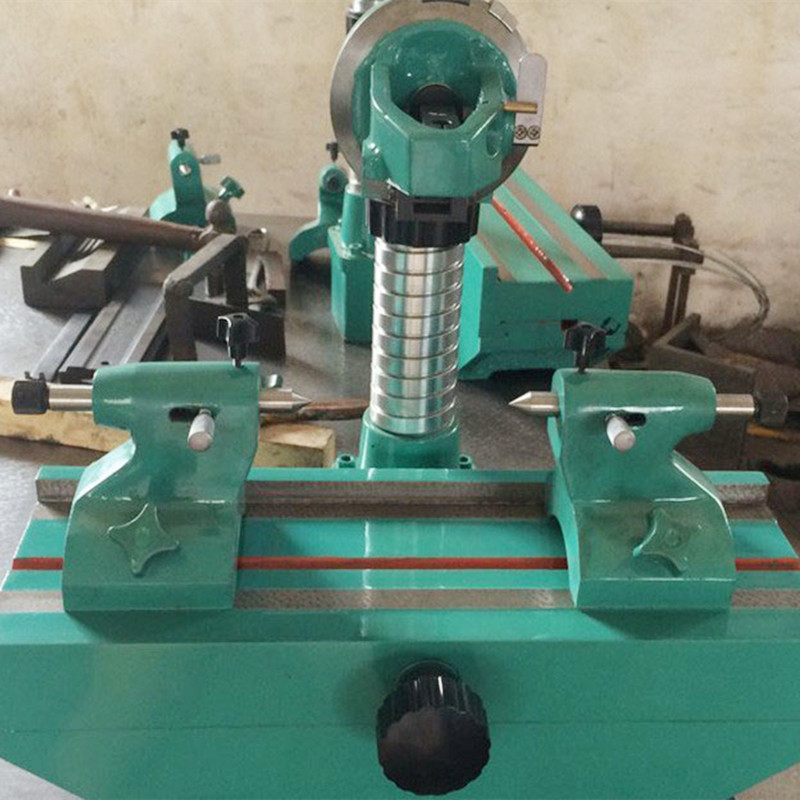
Y Type Strainer Cleaning Procedures
In industrial fluid systems, Y type strainers are essential components that effectively filter out i

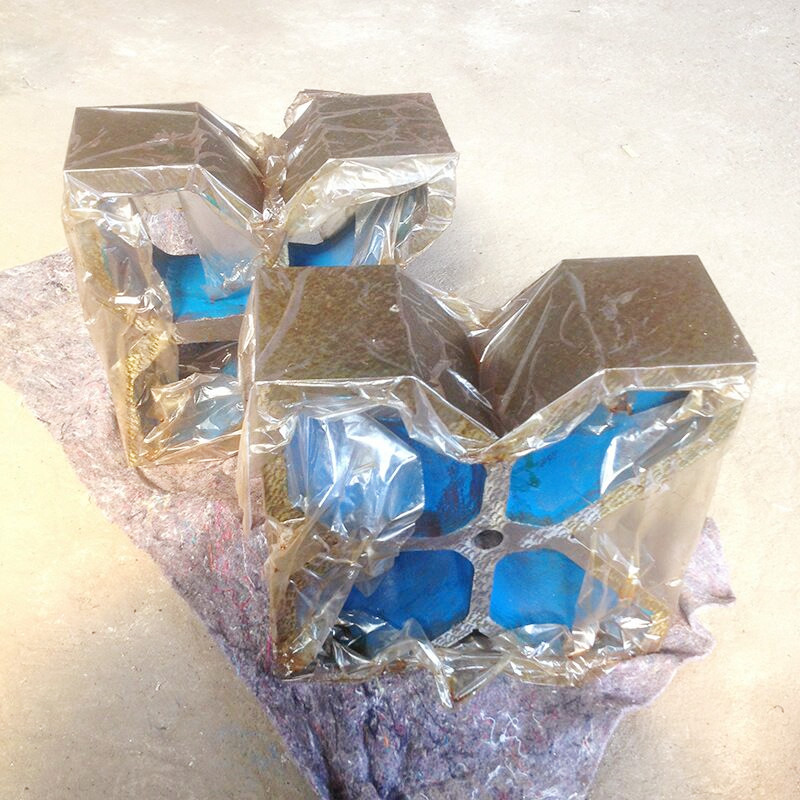
using v blocks
Utilizing V Blocks A Comprehensive Guide V blocks are essential fixtures in machining and manufactur
 English